
Wedding favour etiquette: delight guests without stress
Most couples spend weeks agonising over wedding favours, convinced they are a non-negotiable part of the day. The truth is rather more liberating. Favours are optional, and your guests care far more about the food, music, and atmosphere than any small gift placed at their seat. This guide cuts through the confusion to give you clear, practical etiquette rules so you can make confident decisions that genuinely serve your guests rather than simply ticking a box.
Table of Contents
- What is wedding favour etiquette?
- Budgeting and cost expectations
- Choosing favours guests genuinely appreciate
- Guest diversity and thoughtful selection
- Presentation and timing: making favours feel special
- Personalised favour solutions for your wedding
- Frequently asked questions
Key Takeaways
| Point | Details |
|---|---|
| Favours are optional | British wedding etiquette does not require favours, so focus on guest experience instead. |
| Budget smartly | Most UK couples spend £2-3 per guest, but it’s best to prioritise food, entertainment, and practical favours. |
| Choose practical gifts | Edibles and eco-friendly products delight guests and align with modern trends. |
| Think guest diversity | Tailor favours to dietary needs, travel issues, and different age groups so everyone feels included. |
| Presentation matters | Simple, attractive packaging and thoughtful placement will make any favour feel special. |
What is wedding favour etiquette?
Wedding favours are small gifts given to guests as a token of thanks for attending your celebration. In British weddings, they have traditionally ranged from sugared almonds to personalised keepsakes, but their role has shifted considerably over the past decade. Modern etiquette is far less prescriptive than many couples assume.
The core shift is this: favours were once seen as an obligation, a social custom you simply followed. Today, etiquette experts agree that guests prioritise the overall experience over physical gifts. Skipping favours entirely is perfectly acceptable, particularly if your budget is better spent elsewhere. You can read more about UK favour customs to understand how British traditions have evolved.
Here are the core principles of modern favour etiquette to keep in mind:
- Favours should feel intentional, not obligatory
- Guest enjoyment takes priority over novelty or extravagance
- Practical and consumable items outperform decorative trinkets
- Personalisation should serve the guest, not just the couple
- Presentation matters as much as the item itself
“If your budget is stretched, skip the favours entirely and invest in better food or entertainment. No guest has ever left a wedding disappointed because there was no small gift at their place setting.” — Wedding planning expert
Budgeting and cost expectations
Once you understand etiquette, the next step is managing your budget effectively for guest favours. Knowing what others spend helps you set realistic expectations without overspending.
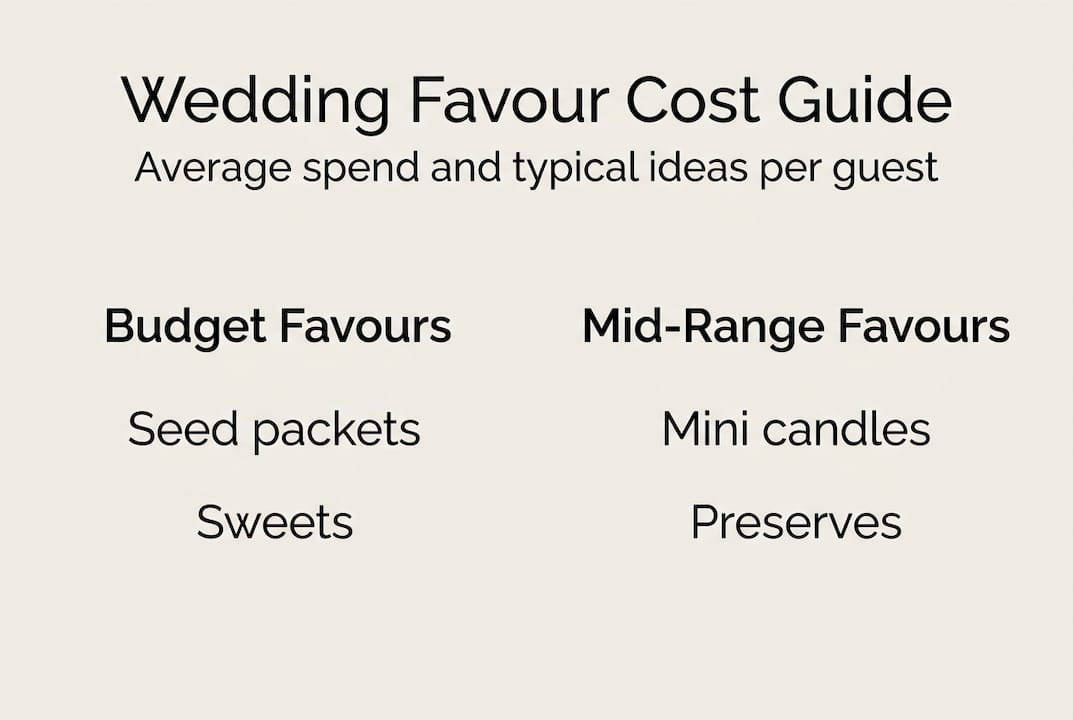
UK couples typically spend around £160 on favours in total, which works out at roughly £2 to £3 per guest for an 80-person wedding. Globally, the per-guest figure ranges from £1 to £5 depending on the favour type and level of personalisation. These figures give you a useful benchmark when planning.
| Budget per guest | Total spend (80 guests) | Typical favour type |
|---|---|---|
| £1.00 | £80 | Seed packets, sweets |
| £2.00 | £160 | Personalised mints, chocolates |
| £3.00 | £240 | Candles, mini jams, plants |
| £5.00 | £400 | Luxury chocolates, bespoke gifts |
| £8.00+ | £640+ | Premium keepsakes, experience vouchers |
For UK favour budget advice, the general rule is to allocate no more than 2 to 3 percent of your total wedding budget to favours. If that figure feels tight, it is a clear signal to simplify rather than compromise elsewhere.
Pro Tip: If your budget is under pressure, prioritise food quality and entertainment. A memorable meal and great music will be talked about for years. A small trinket will likely be forgotten by Monday morning.
The most common budgeting mistakes couples make:
- Overspending early by choosing premium items before confirming the final guest count
- Last-minute panic buying which leads to generic, impersonal choices at inflated prices
- Over-personalisation with names and dates on every item, which increases costs without adding guest value
- Ignoring postage and packaging costs when ordering online, which can add 20 to 30 percent to the total
- Ordering too few and scrambling to match quantities when the guest list grows
Choosing favours guests genuinely appreciate
With your budget in mind, it is time to decide which favour styles best suit your guests and wedding vision. Not all favours are created equal, and the data is fairly clear on what works.
Edible favours consistently rate highest in guest satisfaction surveys. They are used immediately, require no storage, and suit almost any wedding style. Plants and seed packets follow closely, particularly for outdoor or garden weddings. The least appreciated favours tend to be decorative items with heavy branding or personalisation that only means something to the couple.
| Favour type | Guest satisfaction | Practicality | Eco-friendly |
|---|---|---|---|
| Edibles (chocolates, sweets) | ★★★★★ | High | Medium |
| Plants or seeds | ★★★★☆ | Medium | High |
| Candles or diffusers | ★★★★☆ | High | Medium |
| Personalised keepsakes | ★★★☆☆ | Low | Low |
| Novelty trinkets | ★★☆☆☆ | Very low | Low |
65% of couples in 2025 chose personalised eco-friendly favours, reflecting a clear move toward sustainability and conscious gifting. This trend is only growing stronger in 2026. Guests genuinely notice and appreciate the thought behind an eco-conscious choice.
The favour types with the broadest appeal include:
- Personalised chocolates — universally loved, easy to eat, and beautifully presented (explore chocolate favour trends)
- Mini mints or sweets — compact, travel-friendly, and suitable for all ages (see mini mints favour ideas)
- Seed packets — low cost, eco-friendly, and genuinely useful
- Miniature jams or honey — practical, consumable, and feel premium without high cost
- Small potted plants or succulents — long-lasting and increasingly popular at outdoor weddings
For DIY favour inspiration, handmade items such as homemade preserves or hand-poured candles can feel incredibly personal without breaking the budget. The key is to prioritise practical, consumable items over trinkets that will sit in a drawer. Subtle personalisation, such as a wedding date on packaging rather than every guest’s name, strikes the right balance between thoughtful and practical.
Guest diversity and thoughtful selection
Selecting favours with broad appeal matters, but thoughtful attention to guest diversity ensures everyone feels valued. A favour that works perfectly for one group of guests may be entirely unsuitable for another.
Edible favours require the most careful consideration. Nut allergies, vegan diets, gluten intolerances, and religious dietary requirements can all affect whether a guest can actually enjoy what you have chosen. Considering guest diversity means thinking about dietary restrictions, portability for travelling guests, and broad appeal across different age groups. A favour that a child, an elderly relative, and an international guest can all appreciate equally is a genuinely well-chosen one.
Before finalising your choice, ask yourself:
- Do any guests have known food allergies or dietary restrictions?
- Are there children attending who need age-appropriate options?
- Will elderly guests be able to open, carry, or use this item easily?
- Are any guests travelling by air, where liquids or plants may cause issues?
- Does the favour reflect the tone and style of the wedding?
- Is the item something a guest would genuinely use or enjoy at home?
For guests travelling long distances, travel-friendly favours such as individually wrapped sweets or compact chocolates are ideal. They pack easily, comply with most travel restrictions, and feel just as considered as a bulkier gift.
Pro Tip: Order a sample of your chosen favour before committing to the full quantity. Test it yourself and ask a friend with dietary restrictions to try it too. This simple step prevents costly mistakes and last-minute replacements.
For a broader guest diversity perspective on how guests approach weddings, it is worth remembering that your guests come from different backgrounds and have different expectations. The most inclusive favour is one that requires no explanation and suits everyone at the table.
Presentation and timing: making favours feel special
Once you have chosen your favours, focusing on presentation and delivery maximises their perceived value. A beautifully wrapped sweet feels far more special than the same sweet in plain packaging, even if the contents are identical.
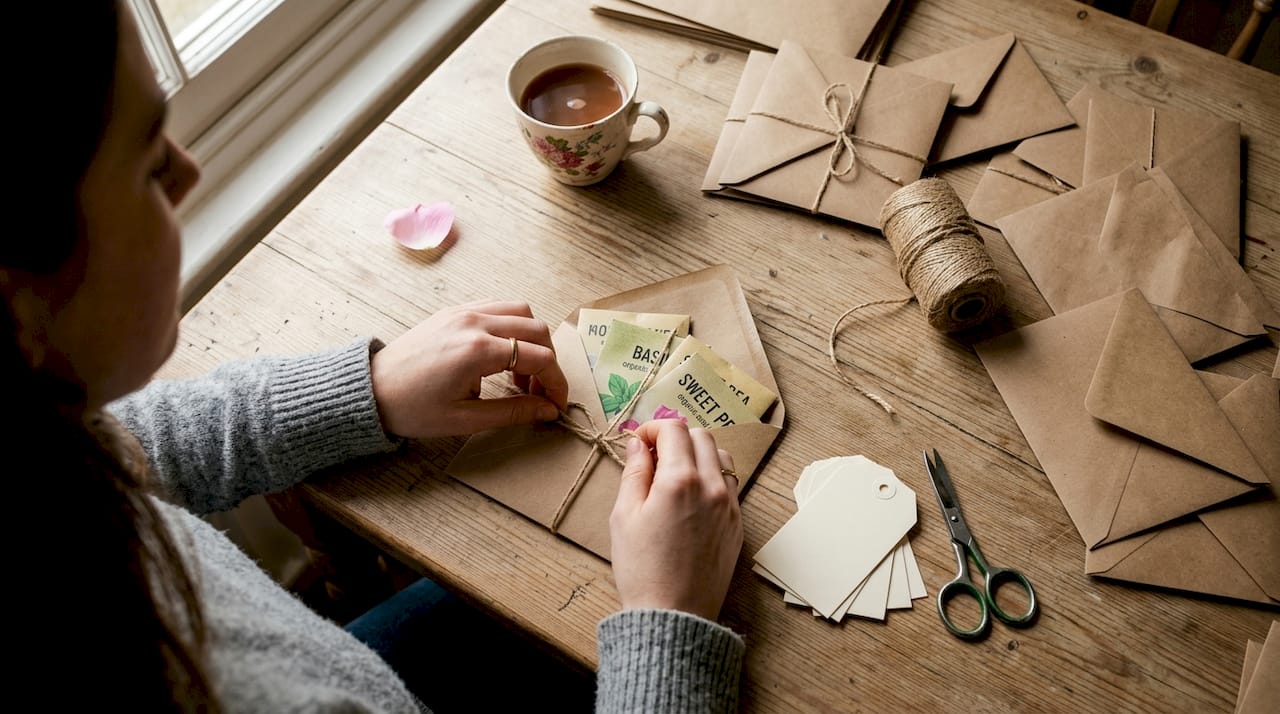
Placement matters enormously. Favours placed at each seat as part of the table setting feel intentional and personal. Favours left on a table near the exit often go uncollected. If you want guests to take them home, make the favours visible and accessible from the moment they sit down.
Packaging and presentation ideas that work well:
- Tie favours to place cards so they double as a seating guide and a gift
- Use favours as part of the centrepiece to reduce separate decor costs
- Add a handwritten or printed note explaining the significance of the choice
- Choose packaging colours that complement your wedding palette
- Wrap edibles in branded foil or ribbon for a polished, cohesive look (see chocolate favour packaging)
For destination weddings or welcome bag etiquette, placing favours in guest welcome bags is an elegant alternative to table placement. It gives guests something to enjoy on arrival and sets a warm tone before the ceremony even begins.
“The most memorable favours are those that feel like part of the overall design. When a favour doubles as decor or reinforces the wedding’s colour story, it stops being an afterthought and becomes part of the experience.” — Event styling expert
Beautiful packaging elevates simple items dramatically. A plain seed packet in a kraft envelope feels rustic and intentional. The same seed packet in a cellophane bag with a printed label feels polished and professional. The investment in presentation is almost always worth it.
Personalised favour solutions for your wedding
Now that you know how to deliver favours with style and purpose, it is worth exploring practical personalised options that align with everything covered in this guide.
At Personalise4U, we specialise in consumable, guest-focused favours that tick every etiquette box. Our mini polo mints favours are travel-friendly, allergy-conscious, and available with custom foil designs that complement any wedding theme. For something a little more indulgent, our neapolitan chocolate favours offer a luxurious touch with subtle, elegant personalisation. Every product is designed to feel thoughtful rather than generic, giving your guests something they will genuinely enjoy rather than leave behind on the table.
Frequently asked questions
Are wedding favours required by modern etiquette?
No, favours are entirely optional. Guests value the experience of the day far more than any physical gift, so skipping them is perfectly acceptable.
How much should I spend on wedding favours?
Most UK couples spend around £160 in total, which equates to roughly £2 to £3 per guest for an 80-person wedding.
What kinds of favours do guests appreciate most?
Edible favours rate highest in guest satisfaction, followed by plants and eco-friendly practical gifts that guests can actually use.
How can I ensure favours are inclusive for all guests?
Check for dietary restrictions, consider portability for travelling guests, and choose items with broad appeal across ages to ensure nobody feels overlooked.
Does presentation of favours impact etiquette?
Absolutely. Beautiful packaging elevates even the simplest gift, and thoughtful placement at seats ensures guests actually notice and take their favour home.
Recommended
- Understanding Wedding Guest Etiquette: Key Concepts Explained – Personalise4uLtd
- Creative bridal shower favour ideas to impress guests – Personalise4uLtd
- Personalised vs non-personalised favours: best choice – Personalise4uLtd
- How to plan a wedding candy bar for a unique celebration – Personalise4uLtd
- Wedding Guest Dress Etiquette: Style Rules for 2025 Events - DressMeUpNY